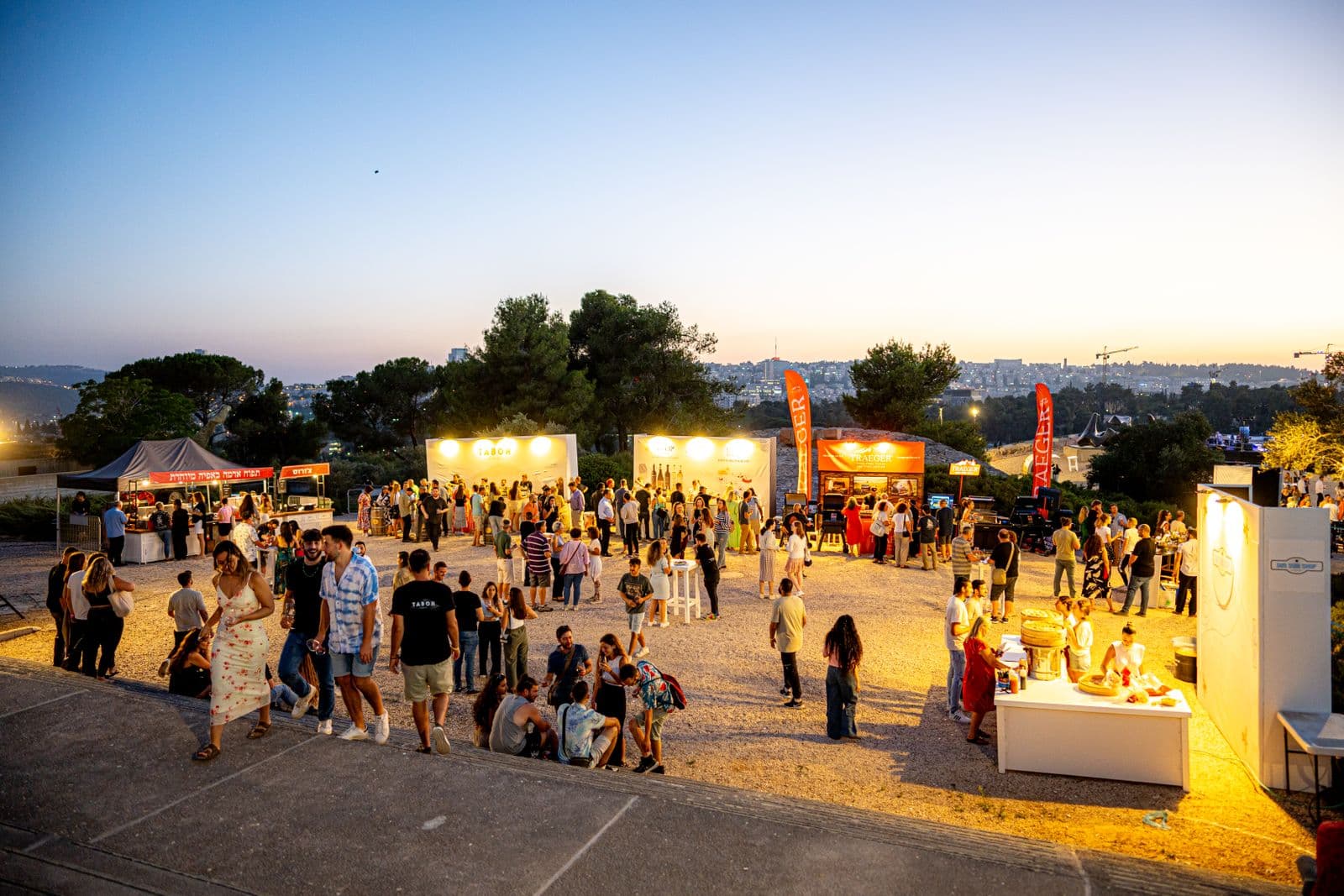
Community events run on a different physics than corporate ones. There's usually no marketing budget, no dedicated AV vendor on retainer, and no professional venue staff walking you through load-in. What you have instead is a small core team, a rotating cast of volunteers, a public space you don't fully control, and neighbors who will show up if you make it easy and worth their time. None of that makes community events easier to plan, it just makes them different: the hard parts are permits, people, and weather instead of contracts and stakeholders. Here's how to plan one without burning out your volunteers, or your own goodwill with the city.
What makes community events different
A corporate event has a budget line for almost everything and paid staff to execute it. A community event has a handful of organizers, a stack of volunteer sign-up sheets, and a budget that might be a few hundred dollars raised from a bake sale or a small grant. That changes the whole approach. You're not optimizing for polish, you're optimizing for showing up reliably, being safe, and being welcoming. The planning steps are similar in shape to any event, nail the basics, recruit the people, handle the money, run the day, but almost every step has a grassroots version that looks nothing like the corporate playbook. Permits replace vendor contracts as the thing that can quietly kill your date. Volunteer recruitment replaces staffing. In-kind donations replace a procurement budget. And promotion happens door to door and post to post, not through a paid campaign.
Permits, insurance, and getting the venue actually approved
This is the step that gets skipped by first-time organizers, and it's the one that can end the event with zero notice. If you're using any public space, park, street, plaza, community center, you almost certainly need a permit, and most cities require it 4 to 8 weeks in advance, sometimes longer for anything that closes a street or serves food. Call your city's parks and recreation or special events office early, even before you've fully locked your date, because they can tell you what's actually required and whether your date conflicts with something already booked. Expect to need a completed permit application, proof of general liability insurance (many cities require $1 million in coverage, which you can often get through a one-day event policy for a modest fee), and a site plan showing where tents, tables, stages, and food service will sit. If alcohol is involved, that's a separate permit with its own lead time. If you're a registered nonprofit, ask about fee waivers; many cities offer them and never advertise it.
Building a volunteer crew that shows up
Volunteer recruitment fails most often because organizers ask for 'help' instead of a specific role. 'Can you help out at the festival?' gets a vague maybe. 'Can you run the check-in table from 9 to 11am, we'll train you in five minutes' gets a yes. Break the event into concrete roles before you recruit: setup crew, check-in or registration, a roamer who handles problems and questions, someone at each activity station, a teardown crew, and a point person who can make decisions if you're not reachable. Recruit two to three weeks out through the same local channels you'll use for promotion, and confirm again 48 hours before the event, because volunteer no-show rates run meaningfully higher than paid staff no-show rates. Plan for 10 to 20 percent of volunteers dropping out or not showing, and have a short list of backups or flexible roles that can absorb the gap.
- Break the event into named roles before recruiting, not after
- Recruit through channels where your actual audience already spends time
- Confirm every volunteer 48 hours out with the exact time, location, and what to wear or bring
- Overbook slightly, plan for 10 to 20 percent no-shows
- Give every volunteer a single point of contact who can answer questions on the day
Working with local vendors and in-kind sponsors
Most community events run partly on cash and partly on favors, and that's not a weakness, it's normal. Local businesses will often trade a banner or a shoutout for a table, a donated item, or a small cash sponsorship, especially if the event already draws foot traffic near them. Approach this the way you'd approach any ask: be specific about what you need, not 'can you help,' but 'can you donate 200 cups of coffee' or 'can you cover the port-a-potty rental,' and be specific about what they get in return, logo on signage, a mention from the stage, a table at the event. Get any in-kind commitment in writing, even if it's just a confirming email, because verbal commitments from busy small business owners are the single most common thing that falls through in the final two weeks. Track every vendor and sponsor commitment, cash or in-kind, in one place so nothing gets forgotten while you're also juggling permits and volunteers; a simple vendor tracker works fine even at neighborhood scale.
Promoting locally without an ad budget
Most community events don't have money for paid ads, and honestly don't need them, because the audience is inherently local and reachable through channels that cost nothing but time. Partner with venues and businesses that already draw the crowd you want: coffee shops, the library, the community center, local schools, houses of worship. Ask to put up a flyer or leave a stack of postcards, and ask if they'll share it with their own list or bulletin. Local Facebook groups, Nextdoor, and neighborhood association newsletters usually reach more of your actual target audience than a broad paid campaign would, because the people in them have already opted into caring about the neighborhood. Local news, even a small weekly paper or a community blog, will often run a free listing for a nonprofit or civic event if you send them the details two to three weeks out. And don't underestimate word of mouth from your own volunteer list; each volunteer is a promotion channel if you give them something easy to forward or repost.
Registration for these events tends to be looser than for a corporate event; sometimes there's no RSVP at all, just a headcount estimate from past years. If you do want a count for planning food or seating, a simple RSVP page is usually enough, you don't need anything more complex than that.
Weather contingency and basic safety for a public gathering
If any part of the event is outdoors, you need an actual weather plan, decided in advance, not improvised on the morning of. Set a real threshold, for example, heavy rain or a lightning forecast within two hours triggers the rain plan, and name one person who has the authority to make that call, so you're not debating it as a group at 8am while volunteers are already setting up. The rain plan itself doesn't need to be elaborate: it might be a scaled-down version indoors, a postponement to a backup date, or simply proceeding with a smaller footprint under tents. Whatever it is, tell your volunteers and any vendors the plan in advance so nobody's improvising when it matters.
Basic safety for a public gathering is mostly common sense applied consistently: know where your nearest exits and vehicle access points are for emergency services, have a first aid kit and know who's trained to use it, keep a headcount-aware sense of crowd density especially at any choke point like an entrance or a stage area, and have a plan for a lost child or a medical situation that every volunteer knows, even if it's just 'radio the point person immediately.' None of this requires a security company for a small neighborhood event. It requires someone actually thinking it through in advance instead of assuming it'll be fine.
Running the day with a mostly volunteer crew
A corporate event runs off a detailed run of show with minute-by-minute cues. A community event with volunteer staff needs something much simpler, because most of your crew are giving up a Saturday morning, not running productions for a living. One page, printed and laminated if you can manage it, with the schedule, who's where, and who to call if something goes wrong, beats a detailed document nobody has time to read. Post the schedule at the check-in table too, so volunteers and attendees can both see it. Do a short walkthrough with your core team the morning of, even fifteen minutes, so everyone knows where the tent stakes are, where the extension cords run, and what the signal is if you need to trigger the weather plan.
The single most useful thing you can do on the day itself is designate one person, not you, as the point of contact for problems, so you're not fielding every question about where the extra folding tables are while also trying to actually run the event. Let your co-organizer or your most reliable volunteer be that person, and give yourself room to actually watch the event happen.
Community events reward preparation more than budget: the permits filed early, the volunteers who got a specific role instead of a vague ask, the rain plan that was actually decided in advance. If you want a lighter structure to plan against, browse event templates built for exactly this kind of gathering, or look at event management software built for community events if you're coordinating more than a handful of volunteers. For a look at how corporate teams handle the same planning phases with a bigger budget, see our guide on corporate event planning. Start free to build your own checklist, guest list, and day-of schedule in one place.