Picking the right fundraising event format matters more than picking the right centerpieces. A silent auction gala can raise six figures for one organization and barely break even for another, depending on the size of the donor list, the volunteer bandwidth, and how much staff time gets poured into it. Before you book a venue, it helps to be honest about what different formats actually cost to run, not just in dollars but in staff hours and volunteer coordination, so you pick one that fits your organization instead of copying whatever the biggest nonprofit in town does.
What Raising a Dollar Actually Costs
Fundraising events are not free money. Nonprofit finance writers commonly estimate the average cost to raise a dollar through a special event at around $0.50, roughly a two-to-one return, though real costs vary widely and can run several dollars spent per dollar raised once staff time and overhead get counted for a poorly run event (nonprofitpro.com). Treat that figure as a rough industry estimate, not a guarantee: a small community raffle run mostly by volunteers can beat it easily, while an elaborate gala with a rented venue, a hired band, and a paid event planner can blow past it if ticket sales do not cover the fixed costs. The format you pick should match what your organization can actually staff and afford to lose if turnout runs light.
Fundraising Event Formats to Consider
Here is a working list of formats, with an honest note on what each one actually takes to run.
- Gala or benefit dinner: highest ceiling per event, but needs a venue, catering, AV, and months of sponsorship and table-sales work. Suits organizations with an established major-donor base.
- Silent auction: scales well alongside a dinner or as a standalone event, needs volunteer hours for item solicitation and intake, plus a bidding system, paper sheets or a mobile app.
- Live auction: raises the most per item sold but only works with a handful of genuinely high-value donated items and a confident auctioneer, paid or volunteer.
- Peer-to-peer walk, run, or challenge: relies on participants fundraising from their own networks, spreads the effort across many people, and suits causes with a strong personal-story angle.
- Benefit concert or trivia night: lower cost to produce than a gala, strong for building a younger or more casual donor base, revenue capped by ticket price and room size.
- Giving day: a single-day online push, often paired with matching gifts, needs almost no physical production but depends entirely on your email and social reach.
- Raffle or paddle raise: low overhead, works well layered into another event as an add-on ask, but check your state's raffle licensing rules before selling tickets.
- Corporate matching partnership tied to an event: a local business agrees to match donations raised during a set window, which can double the incentive to give without doubling your costs.
Galas and Benefit Dinners
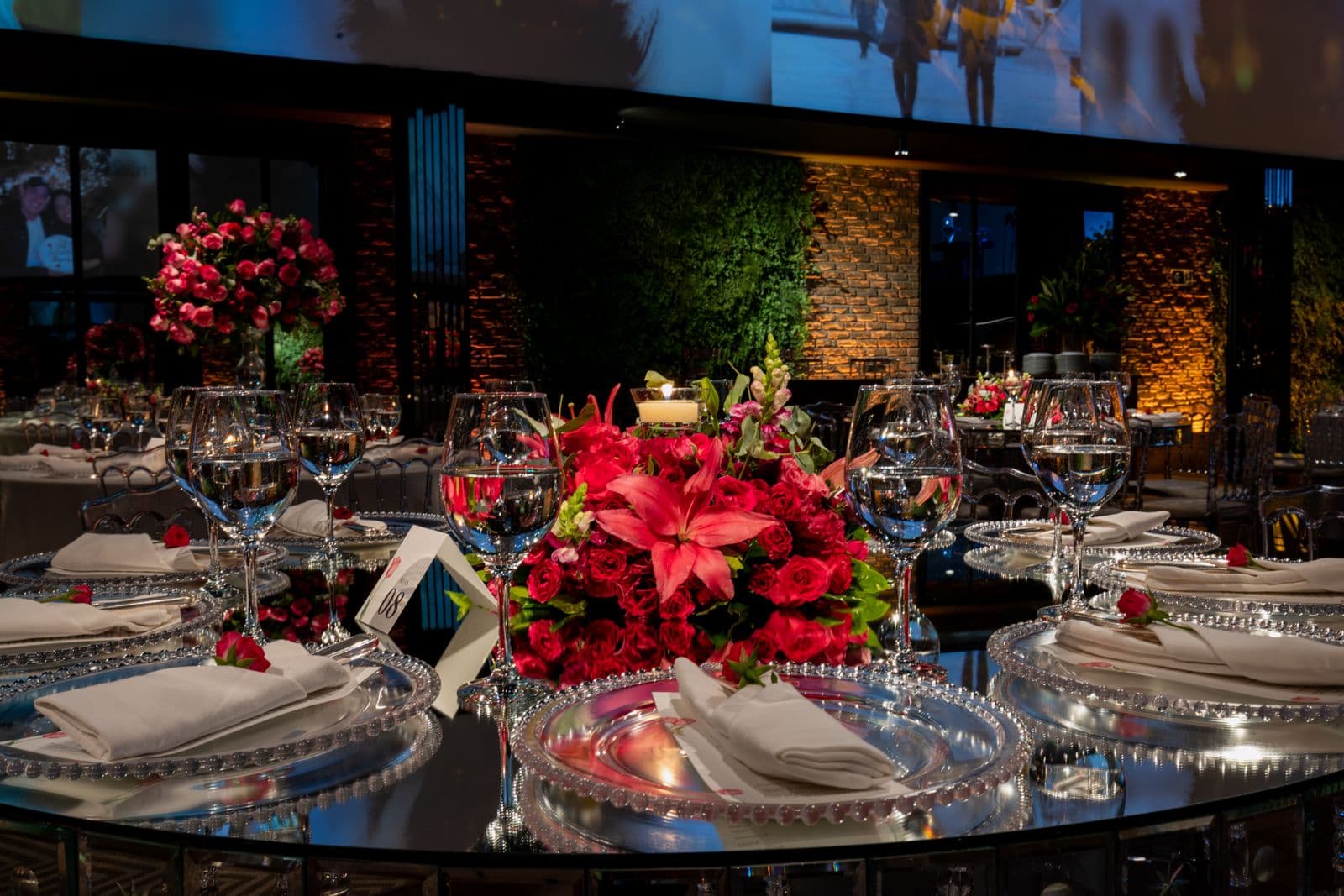
A gala takes four to six months of lead time if it is going to run well: an event committee to sell tables, a sponsorship chair working the phones, a caterer booked early enough to lock a per-head price before it climbs. Cost drivers stack up fast, a venue minimum, catering per plate, AV rental, printing, and it is easy to spend on décor faster than ticket price and sponsorship revenue can cover. The venue, caterer, and AV crew for a gala are vendor relationships with real contracts and deposits, so treat sourcing them like any other event vendor management process, with confirmed scope and a named contact at each company. Galas make the most sense for organizations with an existing major-donor base willing to buy tables; a brand-new nonprofit with a small mailing list will struggle to fill the room and often loses money on its first attempt.
Peer-to-Peer Walks, Runs, and Challenges
A peer-to-peer event flips who does the asking: instead of your staff soliciting every gift, participants register and then raise money from their own friends and family ahead of the event, often against a fundraising minimum to take part. The organization's real work is recruiting team captains, giving them an 8 to 12 week fundraising window with milestones and reminders, and running the event day itself, route setup, water stations, volunteer marshals at every turn. Overhead per dollar raised tends to be low because the fundraising happens inside participants' own networks rather than through paid marketing, but the event day still needs the same discipline as any other: a run of show for opening remarks and the start signal, a clear volunteer station assignment for every marshal and water table, and a day-of plan for what happens if weather forces a route change.
Giving Days, Raffles, and Paddle Raises
Giving days trade production value for reach. There is no venue or catering, just a single-day online push built around urgency, email sequences, social posts, a countdown, often stacked with a matching gift to create a deadline. The entire cost is staff time and whatever platform fees apply, which makes it one of the most efficient formats on paper, but it lives or dies on the size and engagement of your existing list; an organization with a thin email list will not out-market that gap in 24 hours. A raffle or paddle raise works differently: low overhead, and usually layered onto an event you are already running rather than staged on its own. A paddle raise slotted right after the mission moment at a gala, asking the room to commit at set giving levels by raising a numbered paddle, can outperform the live auction that follows it, because it asks for a straight gift rather than a purchase. Check your state's raffle rules before selling tickets; requirements for licensing and prize disclosure vary by state and by prize value.
Corporate Matching Partnerships
A matching partnership does not need to be its own event, it layers onto any format above. A local business or a board member's employer agrees to match gifts dollar for dollar, up to a set cap, during a defined window, an hour of a giving day, the final push during a gala's ask, the last week of a peer-to-peer fundraising period. The operational lift is small: one conversation with the sponsor, a clear written agreement on the cap and the window, and a way to track progress toward that cap in real time so you know when the match is exhausted. The incentive effect comes from urgency and doubled impact, not from the size of the match itself, which is why the deadline needs to be felt, not just mentioned once and forgotten.
Choosing a format is only half the job; the other half is running it without losing the evening to logistics. A detailed event planning checklist keeps sponsorship deadlines and auction item intake from slipping, and an event budget calculator makes it easier to test whether a format's expected revenue actually clears its fixed costs before you commit to a venue. Start free and build the run of show for your next fundraising event in Event70.